Trusted company that deals in quality-made products

- Pendant Station
- Rotary Gear Limit Switch
- Cross Bar Limit Switch
- MCB Circuit Breakers
- Contactor
- Flat And Round Cable
- Limit Switch
- Electrical Relays
- Two Way Lever Limit Switch
- Foot Switch
- Counter Weight Gravity Limit Switch
- Solid State Relay
- Switch Disconnectors
- Heavy Duty Connector
- Cable Ducts
- Contact Block
- Micro Switch
- Button
- Contactor
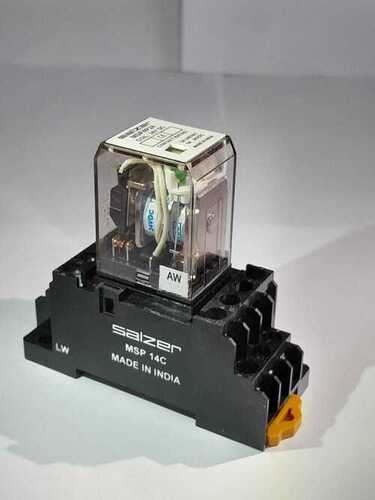
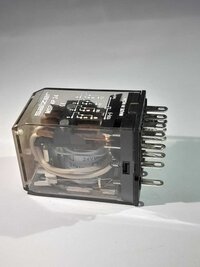
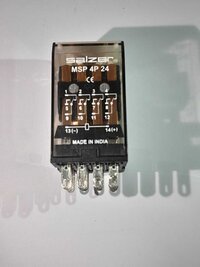
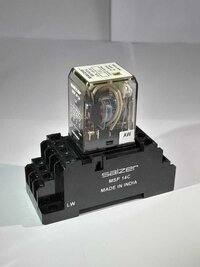
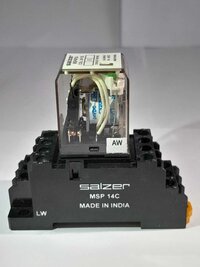
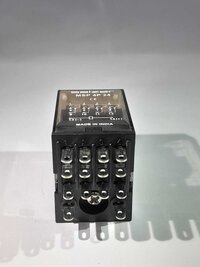
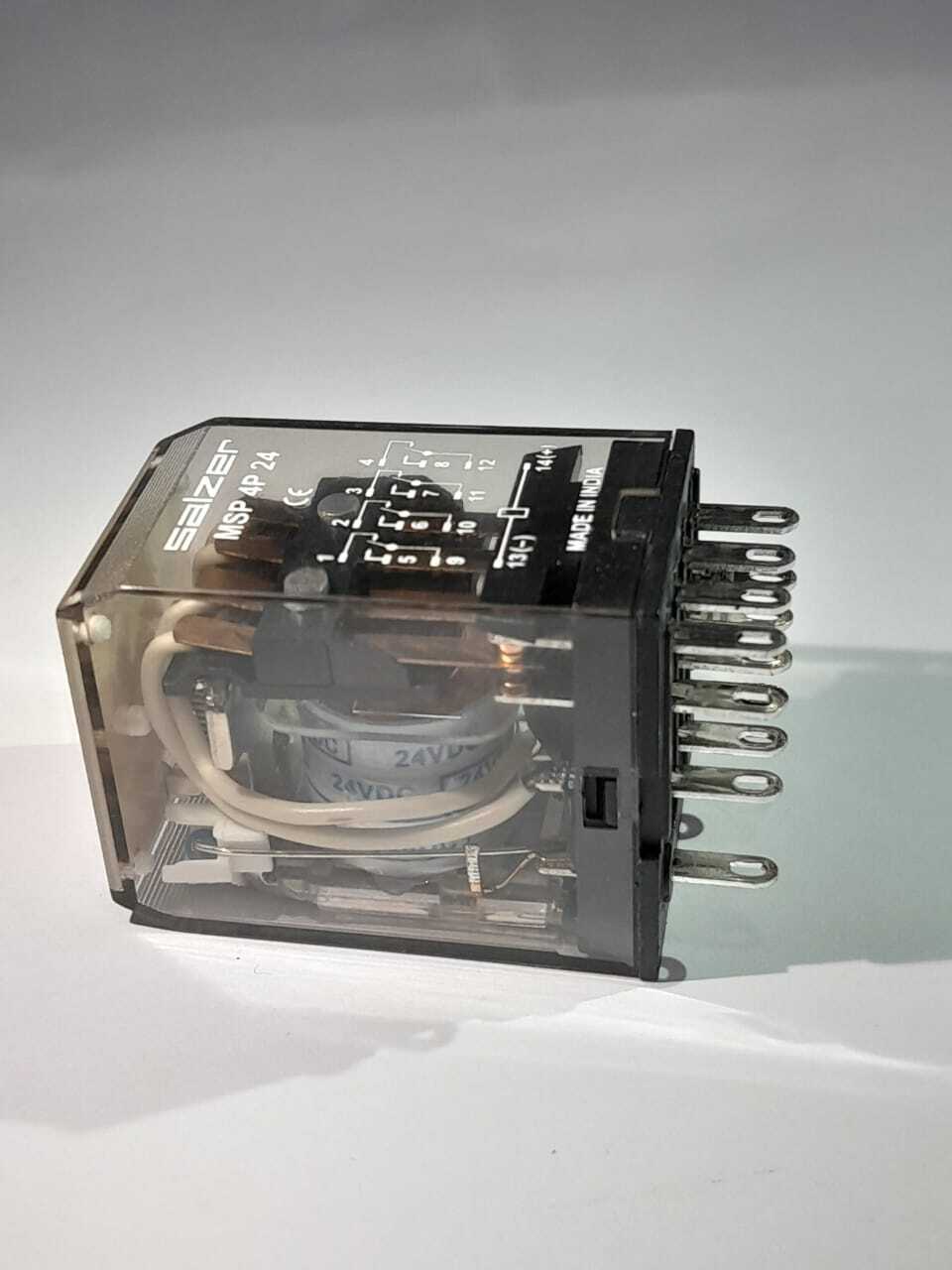
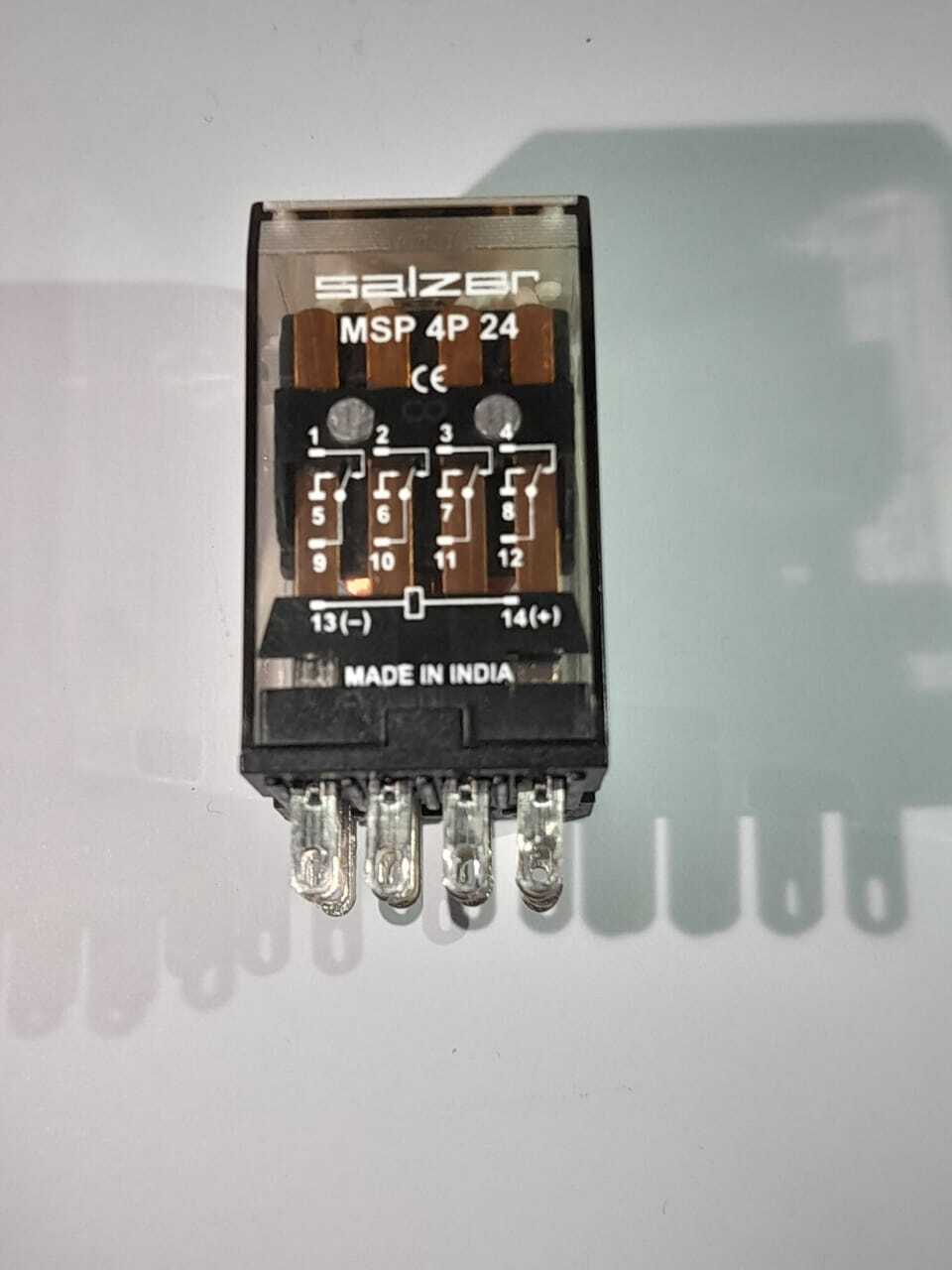
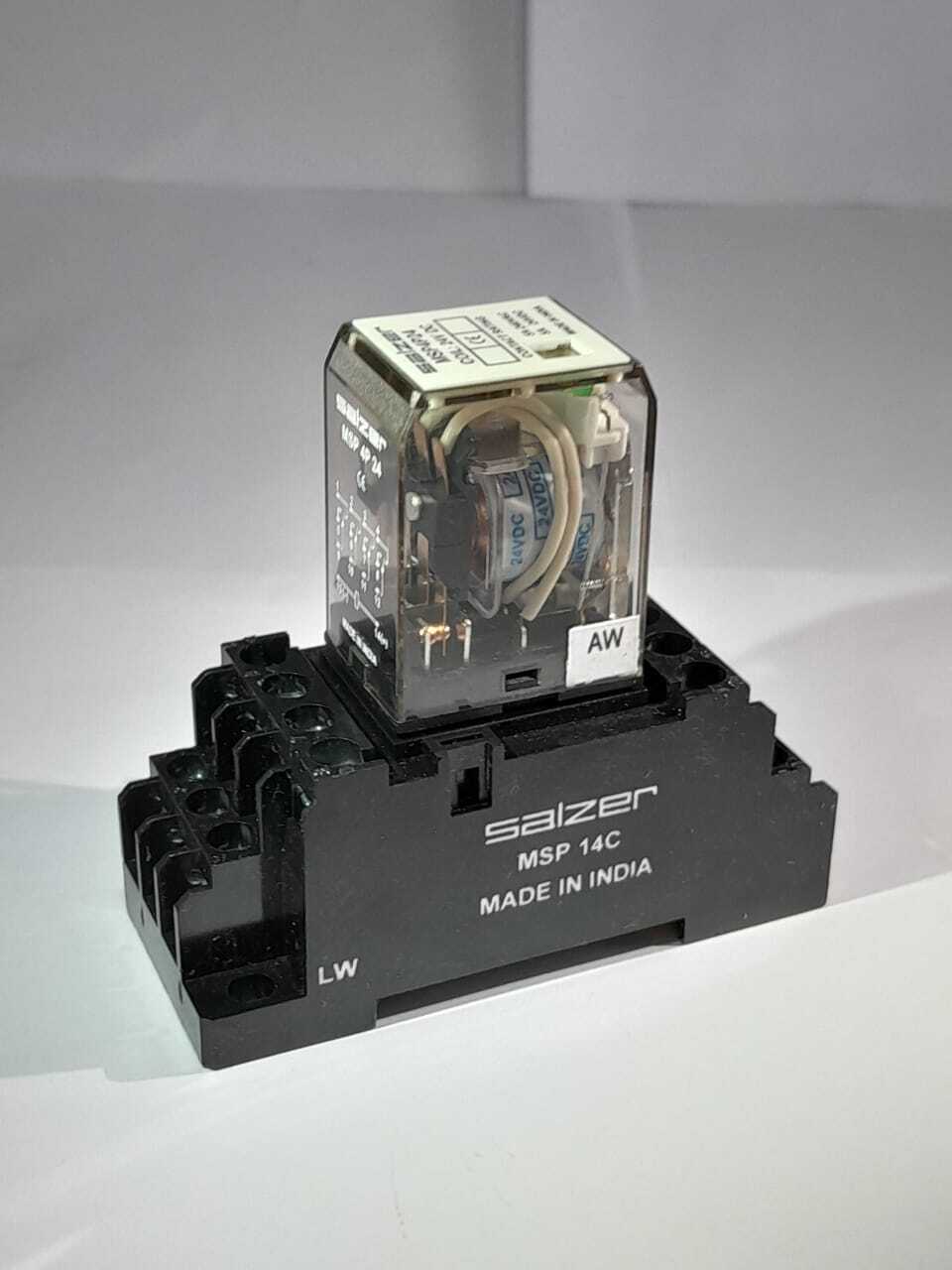
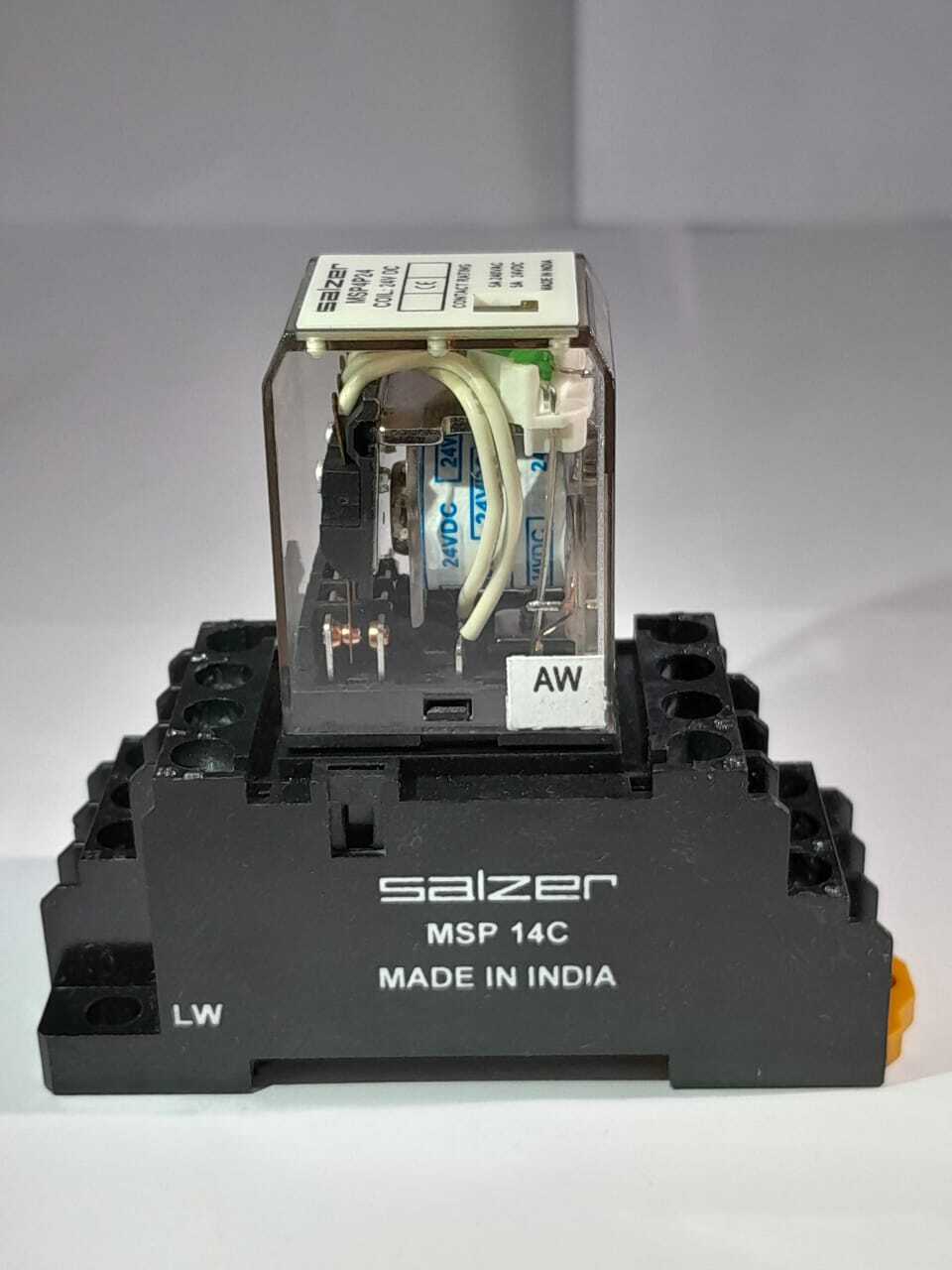
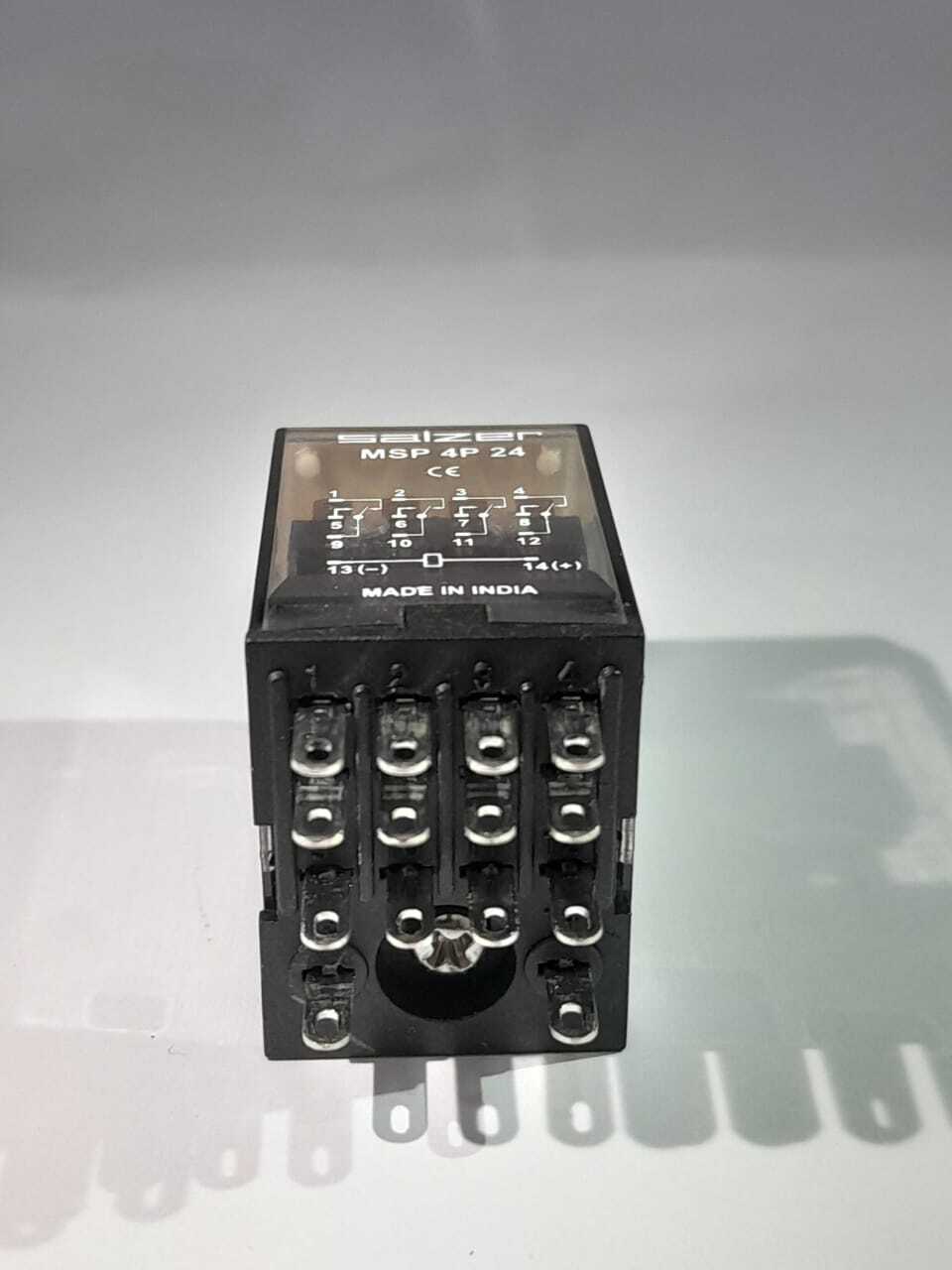
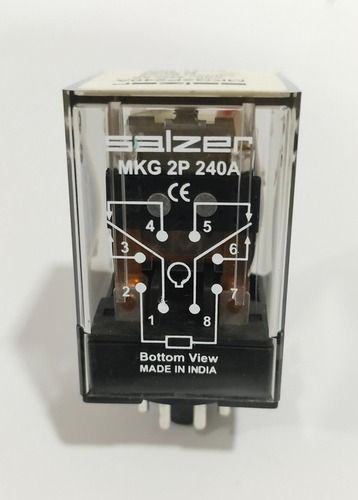
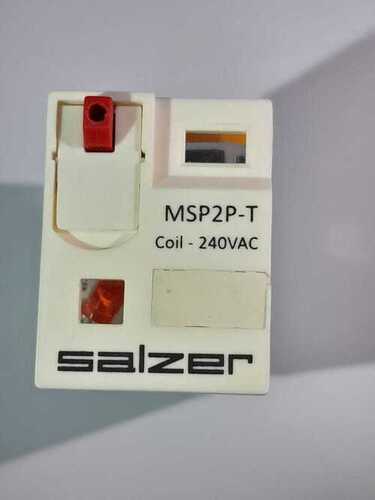
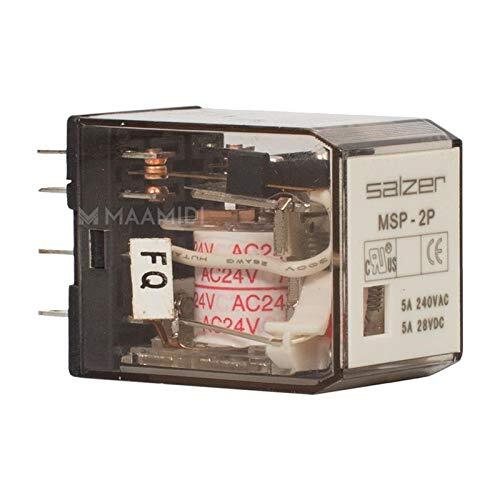
Salzer Glass Relay 4Pole 24V Dc MSP2P24
222 INR/Number
Product Details:
- Usage Industrial Automation, Automotive, Telecommunications Equipment
- Rated Voltage 24V DC Volt (V)
- Size Miniature
- Weight 100 Grams (g)
- Click to view more
X
Salzer Glass Relay 4Pole 24V Dc MSP2P24 Price And Quantity
- 1 Piece
- 222 INR/Number
- 222.00 - 222.00 INR/Number
Salzer Glass Relay 4Pole 24V Dc MSP2P24 Product Specifications
- Miniature
- Industrial Automation, Automotive, Telecommunications Equipment
- 24V DC Volt (V)
- 100 Grams (g)
Salzer Glass Relay 4Pole 24V Dc MSP2P24 Trade Information
- Cash Against Delivery (CAD), Cash Advance (CA), Cash in Advance (CID)
- 2000 Piece Per Month
- 2 Days
- Contact us for information regarding our sample policy
- BOX
- Asia
- All India
- YES
Product Description
Glass relays, also known as reed relays, are electromechanical switches used in various industrial applications where high reliability and fast switching speeds are required. Here are some details about them:
-
Construction: Glass relays consist of a pair of magnetically sensitive, reed-like metal contacts enclosed in a glass tube filled with an inert gas (often nitrogen). The contacts are typically made of materials like nickel-iron alloys that exhibit high magnetic permeability.
-
Operation: They operate similarly to traditional relays but with smaller dimensions and faster response times. When a magnetic field is applied (either by an electromagnet or a permanent magnet), the contacts within the glass tube close or open, completing or interrupting the circuit.
-
Advantages:
- Small Size: Glass relays are compact, making them suitable for applications where space is limited.
- Fast Switching: They can switch very quickly, often in microseconds, which is advantageous in applications requiring rapid response times.
- Reliability: Due to their sealed glass construction, they are highly resistant to environmental factors like dust, humidity, and vibration.
- Low Power Consumption: They typically consume less power than other types of relays.
-
Applications:
- Automotive: Found in automotive electronics for functions like automatic door locks and sensing systems.
- Industrial Automation: Used in control systems and robotics due to their reliability and fast response.
Versatile Application Across Industries
Engineered for use in industrial automation, automotive systems, and telecommunications equipment, the Salzer Glass Relay MSP2P24 fits a broad spectrum of operations. Its compact size makes it ideal for installations where space is limited while still providing dependable performance and safe electrical switching.
Miniature Design with High Reliability
The MSP2P24 relay features a miniature build that does not compromise on strength or efficiency. Its glass construction provides robust protection, extending its operational life. Rated at 24V DC, this relay accommodates precise control requirements and minimizes erratic response for consistent results in critical applications.
FAQs of Salzer Glass Relay 4Pole 24V Dc MSP2P24:
Q: How is the Salzer Glass Relay MSP2P24 utilized in industrial automation and automotive applications?
A: The relay manages and switches electrical signals within automated systems and automotive circuits, enabling controlled operation of devices or components. Its 4-pole configuration supports complex automation functions, making it suitable for machinery, assembly lines, and vehicle electronic systems.Q: What benefits does the glass enclosure offer in the MSP2P24 relay?
A: The glass enclosure provides superior insulation, durability, and resistance to environmental factors such as dust and moisture. This leads to an extended service life and improved reliability in challenging operational environments.Q: When should I choose a miniature relay like the MSP2P24 for my project?
A: Opt for the MSP2P24 when space constraints are critical or when you require multiple pole switching within compact control panels. Its small size and lightweight design make it practical for applications with limited installation room.Q: Where can I purchase the Salzer Glass Relay 4Pole 24V DC MSP2P24 in India?
A: The relay is widely available across India through authorized distributors, manufacturers, suppliers, and wholesalers specializing in automation, automotive, and telecommunications components. You can source it directly from these channels for assured quality and support.Q: What is the process for installing the MSP2P24 relay in equipment setups?
A: Installation involves connecting the relay according to the wiring diagram provided, ensuring proper voltage and load compatibility. Qualified personnel should follow standard safety protocols to ensure secure and correct integration into the system.Q: How does using this relay benefit telecommunications equipment operations?
A: The relay offers stable and rapid switching for managing telecommunications circuits, thus improving signal integrity and equipment reliability. Its efficient design minimizes potential downtime and enhances overall network performance.Tell us about your requirement

Price:
Quantity
Select Unit
- 50
- 100
- 200
- 250
- 500
- 1000+
Additional detail
Mobile number
Email

Other Products in 'Electrical Relays' category

Contact Details

- 18 To 24, Sagar Arcade, Near Swami Vivekanand Overbridge, Gondal Road, Bhakti Nagar,Rajkot - 360002, Gujarat, India
- Phone : 08045804453
Akshar Sales & Automation
GST : 24AAYFA1090J2Z6

- Mr Naresh Patel (Partner)
- Mobile : 08045804453
- Send Inquiry
- WhatsApp :+919979501230
 Send Inquiry
 Send Inquiry
 Send SMS
AKSHAR SALES & AUTOMATION
All Rights Reserved.(Terms of Use)
Developed and Managed by Infocom Network Private Limited.
Developed and Managed by Infocom Network Private Limited.


